Landscape design and installation in Terre Haute
Beds, planting, edging, mulch and sod, designed around Wabash Valley soil and drainage. Quoted per project after a site visit, itemised.
On this page
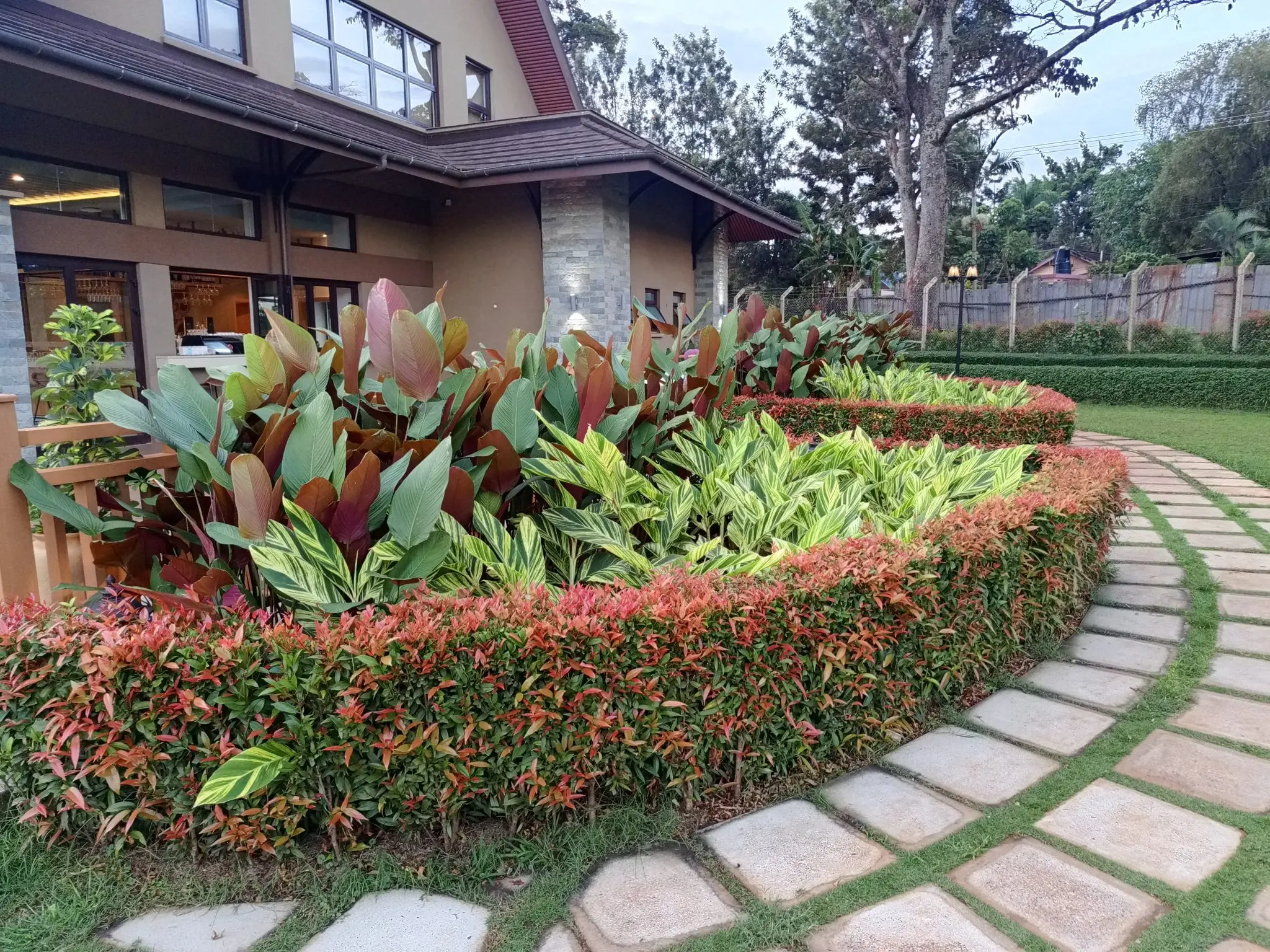
Beds, planting, edging and mulch, designed around the two things that decide whether a Terre Haute landscape lives: the soil, and where the water goes. Quoted per project after we walk the property.
What we install
What we build
- New beds, and renovation of old ones mulched up above the siding
- Planting: trees, shrubs, grasses and perennials for zone 6a and the spot they go in
- Edging: a cut edge, steel or stone
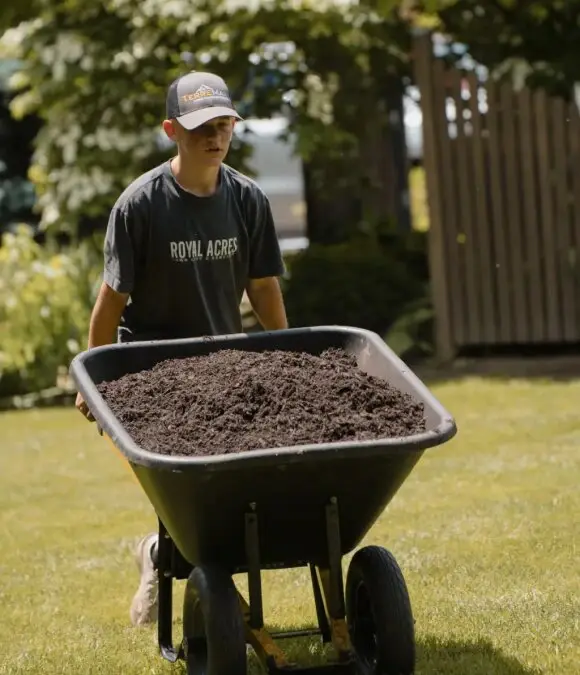
- Mulch: 2 to 3 inches, never piled against a trunk
- Sod or seed for a new lawn
- Drainage corrections
What we will not do
- Japanese barberry, winter creeper, autumn olive, Amur honeysuckle or privet. Indiana bans their sale and planting
- Callery pear or Norway maple in your tree row. Terre Haute prohibits both there
- Ash. Emerald ash borer is in every Indiana county
- A shade tree a few feet from the driveway. It will lift the slab
- Patios, pavers and retaining walls. We do not build them
How a project is quoted
- We walk the property and look at the soil, the sun and where the water runs, before anything is drawn.
- You get an itemised proposal. Bed area, plants by count and size, soil, mulch, edging, removal of what comes out, and labour, each on its own line. Take out anything you like. There is no design fee.
- We install it on the agreed date. How soon depends on the season, and the proposal says.
Landscape installation is taxed in Indiana as a construction contract rather than a service. The proposal shows how, so the invoice holds no surprises.
Terre Haute soil decides most of it
- of Vigo County is Iva silt loam, the most common soil here
- 11.5%
- water table depth, December to April, in a normal year
- ½–2ft
- USDA hardiness zone: winter lows of −10 to −5 °F
- 6a
Most plants that die in Terre Haute yards drown. Iva silt loam is somewhat poorly drained, over a dense subsoil that starts around 15 inches down. A hole backfilled with bagged potting mix becomes a bathtub: water runs through the loose fill, stops at the subsoil and sits against the roots all winter. The plant dies the following March and the winter gets the blame.
So on heavy soil we plant high, backfill with the native soil, and build raised beds where drainage fails. Purdue's test: fill the planting hole with water, and "if the water is gone after two hours, drainage is great." Elston sandy loam, the county's second most common soil, is the opposite problem: it drains fast and holds little, so plants there dry out.
Where your water goes
On a lot of properties, drainage is the whole project. The usual causes:
- Downspouts emptying at the foundation
- A sump pump discharging into a bed
- Ground that has been built up over the years until it slopes toward the house
- A low corner that holds water for days after heavy rain
Terre Haute's rules are specific. Downspouts, sump pumps and foundation drains must not connect to the sanitary sewer (City Code Sec. 9-75(g), and section 7.9 of the city's Standards). A downspout may not discharge across a sidewalk or pavement (Sec. 6-143).
Questions
How much does landscaping cost in Terre Haute?
Most projects come in between $500 and $5,000. A bed renovation on an in-town front yard and a full design on a larger property are far apart, so one number would not help you. The proposal itemises plants, soil, mulch, edging and labour, so you can see where the money goes.
Which plants do well here?
Plants hardy to zone 6a that tolerate heavy, wet soil. If you have deer too, start with the plants that appear on both lists: pawpaw, river birch, persimmon, sweetgum, sycamore and, for a shrub, buttonbush. Deer prefer dogwoods, viburnums, hydrangeas, red and sugar maples and most oaks, which are the plants most people ask for.
When is the best time to plant?
Early fall, for most trees, while the soil is still warm enough for roots to grow before it freezes. Late winter and early spring is the next best. Some trees root slowly and should only go in during spring: red maple, birch, flowering dogwood and most oaks.
Is a Bradford pear illegal in Indiana?
No. Callery and Bradford pear are not on Indiana's banned list. But Terre Haute prohibits pears and Norway maples in the tree row, the strip between the sidewalk and the street.
Should I replace my lawn or repair it?
Repair it, unless more than about half of it is weeds or the wrong grass. Aerating and overseeding in the fall costs a fraction of a new lawn. See fertilization and weed control.
How long from yes to done?
It depends on the season. We give you the date with the proposal.
What customers say
Zac did an amazing job with my landscaping project. He was professional, punctual and, respectful!
Joel S.Read it on Google Royal Acres does excellent work. Mowing lawns, small landscaping, storm cleanup, even Christmas lights for the holidays — all of it with professionalism and efficiency. I highly recommend them.
Dan M.Read it on Google