Aeration and overseeding in Terre Haute
Plugs pulled and seed down from August through October, when the seed takes, priced by the acre of grass we measure.
From$249on a 0.25-acre lot
Core aeration pulls plugs of soil out of the lawn so air, water and feed reach the roots. Overseeding puts new seed and a starter fertilizer down after it, to fill in a thin lawn. We do both from August through October, priced by the acre of grass we measure.
What a visit includes
Core aeration
- Plugs of soil pulled across the lawn, so air, water and feed reach the roots
- Compaction relieved, which is most of what a Terre Haute lawn on silt loam needs
- Priced on the grass, not the lot: the house, the drive and the beds are measured out
Overseeding
- New grass seed into the aerated lawn, to fill in the thin areas
- A starter fertilizer with the seed, to get it going before winter
- Its own price, so you can aerate without seeding
When we do it
- When we aerate and overseed
- Aug–Oct
- Purdue's best seeding window for central Indiana
- Aug 15–Sep 15
- How deep a core should go, 20 to 40 holes a square foot
- 2–3in
Purdue's turf program calls early September "the best time of year" for core aeration, and late summer to early fall the best time to seed a cool-season lawn. The window is short. Purdue puts the best of it at August 15 to September 15 in central Indiana, and "waiting one week to seed may mean the stand will take 2 to 4 additional weeks to mature." So the earlier we reach your lawn the better: late August and early September are the heart of it, and a lawn seeded in October is late in the window.
Spring is the wrong time here. Purdue allows April for aeration, but "seeding in spring is difficult and often unsuccessful," and the crabgrass preventer that goes down in March stops grass seed as well. The heat of midsummer is out for both.
Why the soil here calls for it
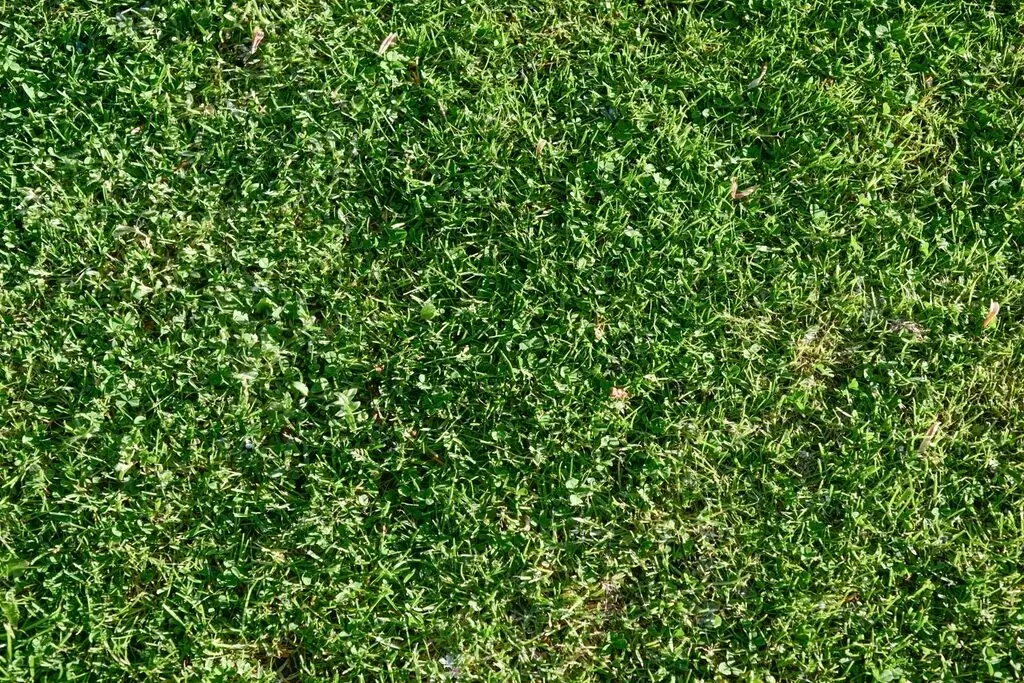
Most of the city sits on Iva silt loam, the most common soil in Vigo County. USDA rates it somewhat poorly drained, with water half a foot to two feet below the surface from December to April, and wet silt loam packs down under feet, mowers and play. Core aeration relieves that compaction, which is why Purdue prefers it to power raking for a lawn that needs opening up.
What it costs
| Lot size | Core aerationper visit | Overseedingper visit |
|---|---|---|
| < 1 acre | $249 | $349 |
| 1 acre | $249–$286 | $349–$368 |
| 1½ acres | $262–$482 | $349–$620 |
| 2 acres | $349–$642 | $449–$826 |
Core aerationper visit
- < 1 acre
- $249
- 1 acre
- $249–$286
- 1½ acres
- $262–$482
- 2 acres
- $349–$642
Overseedingper visit
- < 1 acre
- $349
- 1 acre
- $349–$368
- 1½ acres
- $349–$620
- 2 acres
- $449–$826
Most lawns pay the minimum: $249 to aerate and $349 to overseed. A larger lawn is priced by the acre of grass. Both are add-ons, sold on their own, and neither needs the fertilizer program. Type your address for your figure.
Questions
How much does aeration cost in Terre Haute?
Most lawns pay the $249 minimum to aerate and $349 to overseed; a larger lawn is priced by the acre of grass we measure. The table above shows four lot sizes. Type your address for yours.
When should I aerate and overseed?
Late August into early September. Purdue calls early September "the best time of year" for core aeration and puts the best seeding window at August 15 to September 15, and the sooner the seed goes down, the sooner it fills in. We aerate and overseed from August through October.
Can I aerate in the spring instead?
Purdue allows April for aeration, but seeding in spring "is difficult and often unsuccessful," and crabgrass preventer stops grass seed too. We aerate and overseed in late summer and fall, from August through October.
What grass should I plant?
Turf-type tall fescue for most sunny lots here: Purdue recommends it for low-input, unirrigated lawns. For heavy traffic from kids and dogs, Kentucky bluegrass repairs itself better.
Should I replace my lawn or repair it?
Repair it, unless more than about half of it is weeds or the wrong grass. Aerating and overseeding in the fall costs a fraction of a new lawn.