The Terre Haute lawn calendar, month by month
What a Vigo County lawn needs each month, from crabgrass preventer in March to aeration in September, dated from NOAA normals and Purdue Extension.
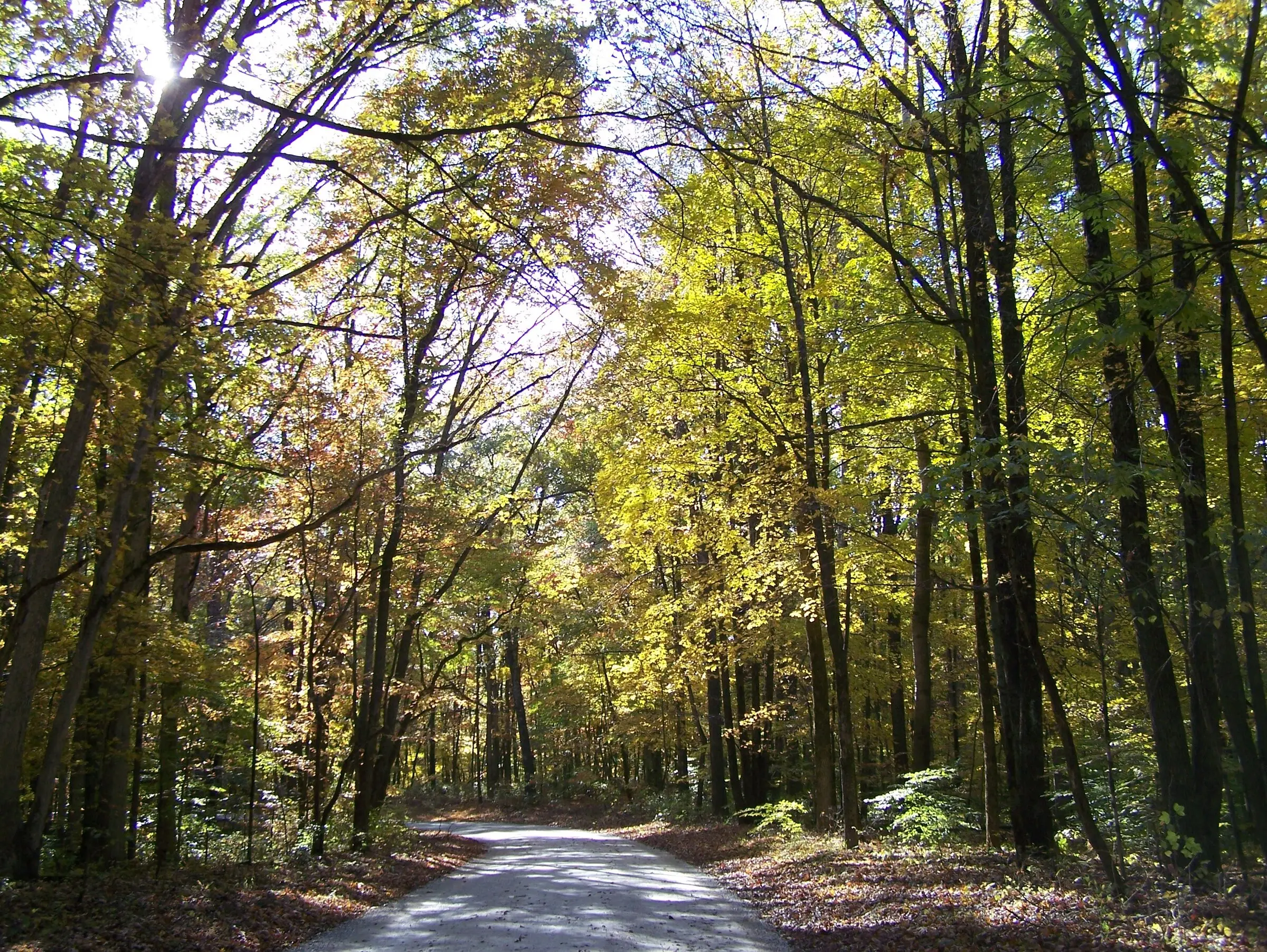
Autumn in the Hoosier National Forest
What a Vigo County lawn is doing each month, and what is worth doing about it. Dates are NOAA's 1991–2020 normals for the Terre Haute station; timing is Purdue Extension's.
- Average last spring frost
- Apr 15
- Average first fall frost
- Oct 19
- Freeze-free season
- 187days
- USDA hardiness zone, winter low −10 to −5 °F
- 6a
The three dates that matter most: crabgrass preventer down by late March, seed between August 15 and September 15, and broadleaf weeds treated in October.
Spring
March
This month- Put crabgrass preventer down by mid-to-late March. It only works before germination, and Purdue's research shows it "can be applied as early as March 1 and still be effective all season."
- Clean up late in the month, once the surface firms: clear winter debris, recut bed edges, pull matted leaves off beds.
- Keep fertilizer light. Purdue's early-spring rate is 0 to 0.75 lb of nitrogen per 1,000 sq ft.
April
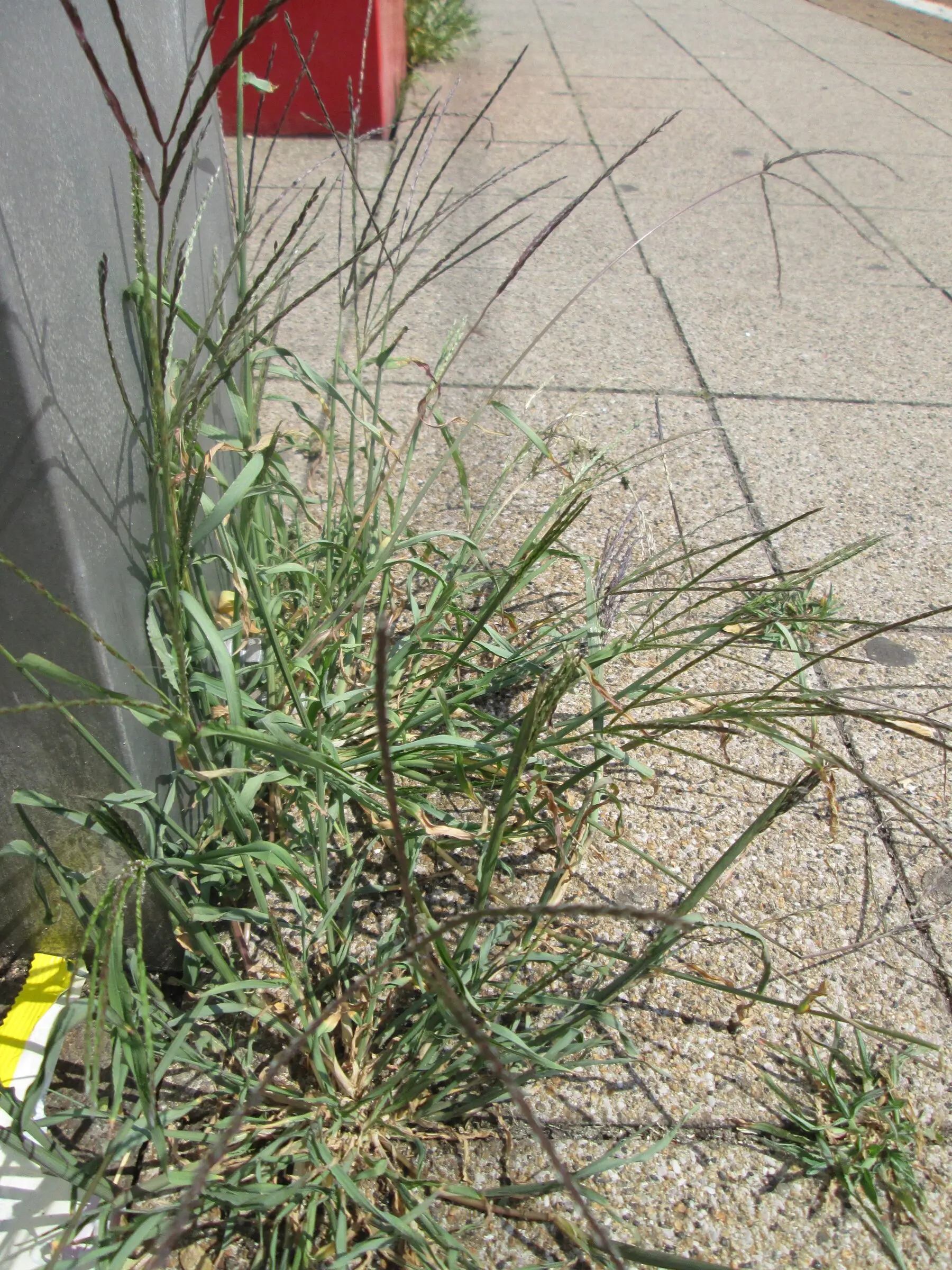
This month- Crabgrass germinates. The model Purdue points to reached its trigger here on April 18 in 2025 and April 1 in 2026: seventeen days apart in back-to-back years, which is why a fixed-date program misses. You can watch it yourself on the GDD Tracker for ZIP 47802.
- Mow at the right height from the first cut: 2.5 to 4 inches for tall fescue, 2 to 3.5 for Kentucky bluegrass. Purdue: "Mowing below this range will increase crabgrass populations."
- Do not seed if you can wait. Purdue: "Seeding in spring is difficult and often unsuccessful," and most crabgrass preventers also stop grass seed.
May
This month- Peak growth. Purdue: "Some lawns may need mowing twice a week during spring and fall." Never take more than a third of the blade in one cut.
- The city clock starts. Terre Haute requires at least four cuts between May 1 and October 31, and grass over 8 inches is a violation (Sec. 6-170).
- Leave the clippings. They "do not contribute to thatch," Purdue says, and they cut your fertilizer needs.
Summer
June
This month- Raise the mowing height as heat builds. A taller cut shades the soil and keeps crabgrass seed in the dark.
- Stop feeding. Purdue's summer nitrogen rate for unirrigated lawns is zero.
- No aerating, dethatching or renovating until fall.
July
This month- Brown is not dead. Cool-season grass goes semi-dormant in heat and comes back as nights cool.
- Do the tug test before you blame drought. If stems snap off at the soil with sawdust-like material on the ends, Purdue says it "is diagnostic for billbug larval feeding." Billbugs affect roughly half of Indiana home lawns.
- Grub prevention has to be down before the eggs hatch in early August. Ours goes down with the June round of the fertilization program. Purdue's threshold for damage is 5 to 10 grubs per square foot.
August
This month- The seeding window opens August 15. Purdue: "Optimum seeding window is Aug. 15 to Sept. 15 in central IN," and "waiting one week to seed may mean the stand will take 2 to 4 additional weeks to mature."
- Start feeding again late in the month: up to 1 lb of nitrogen per 1,000 sq ft a month through early November.
- Watch for grub damage: patches that wilt despite water, and sod that lifts like a rug. Eggs hatch in early August in central Indiana, which is when grubs are easiest to control.
Fall
September
This monthThe most valuable month of the year for a Terre Haute lawn.
- Core aerate early in the month. Purdue: "early September is the best time of year." Done properly that is 20 to 40 holes per square foot, 2 to 3 inches deep.
- Overseed into the holes before September 15. We aerate and overseed from August through October: see aeration and overseeding.
- Fertilize. Purdue: "September is the most important time to fertilize cool-season turfgrasses."
October
This month- Treat broadleaf weeds now. Purdue's calendar for October: "Control dandelions and other broadleaf weeds now." Fall applications move down to the root with the plant's own reserves.
- Keep leaves from matting. A wet leaf layer over winter leaves dead patches in April. See seasonal cleanup.
- The city's four-cut window closes October 31.
November
This month- Make the last mow at full height. Purdue, in capitals: "DO NOT reduce the mowing height for the last few mowings."
- Apply the late-fall nitrogen after the final mowing, while the grass is still green. It greens the lawn early next spring.
- Finish the leaves. Rake loose leaves to the tree row, not the street, for the city's sweep, which typically starts in mid-November and takes about three months. Burning leaves is prohibited in the city (Sec. 6-101).
Winter
December
This month- Leave the lawn alone. No fertilizer on frozen ground, and keep traffic off frozen turf.
- Plowing and salt from the first snow of the season. See snow plowing and de-icing.
January
This month- Stay off frozen grass: crushed crowns show as tracks in April.
- Holiday lights come down. See holiday lighting.
February
This month- Walk the lawn after rain and photograph where water sits. Vigo County's most common lawn soil, Iva silt loam, holds a water table within two feet of the surface from December to April, and a February photo is the best evidence a landscape design can have.
- Keep vehicles off soft ground. Ruts made now last all year.